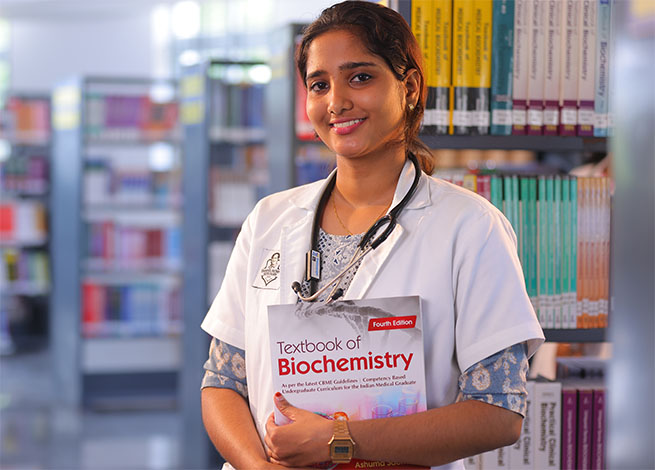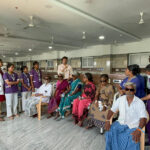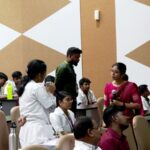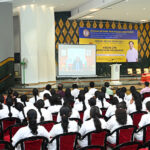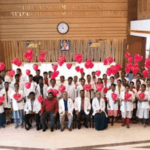
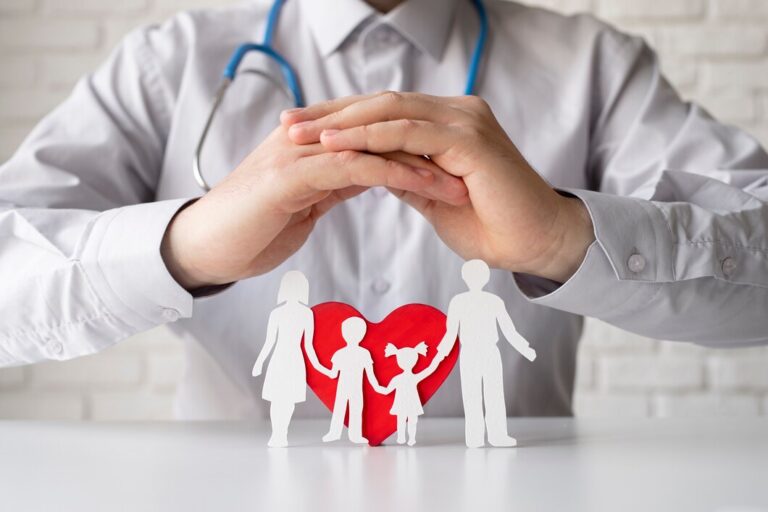
The Department of Community Medicine looks at health beyond individual patients. It deals with how disease, health, and care function at the level of families, groups, and communities.
Students are introduced to the idea that medical practice is not limited to hospitals or classrooms. Health is influenced by living conditions, access to care, social factors and public systems. Much of the learning here happens outside the usual academic setting, reflecting the approach we follow as the Best college for Paraclinical Community Medicine courses in Perambalur.
How community medicine supports clinical learning
Community medicine changes how students look at illness and care.
Students begin to see that prevention, early detection, follow-up, and rehabilitation are as important as treatment. Conditions seen in clinics often start long before patients reach hospitals. This subject helps students understand that wider context.
The learning here becomes relevant later when students encounter public health issues, long-term conditions, and population-level health problems during clinical work.
Learning in the department
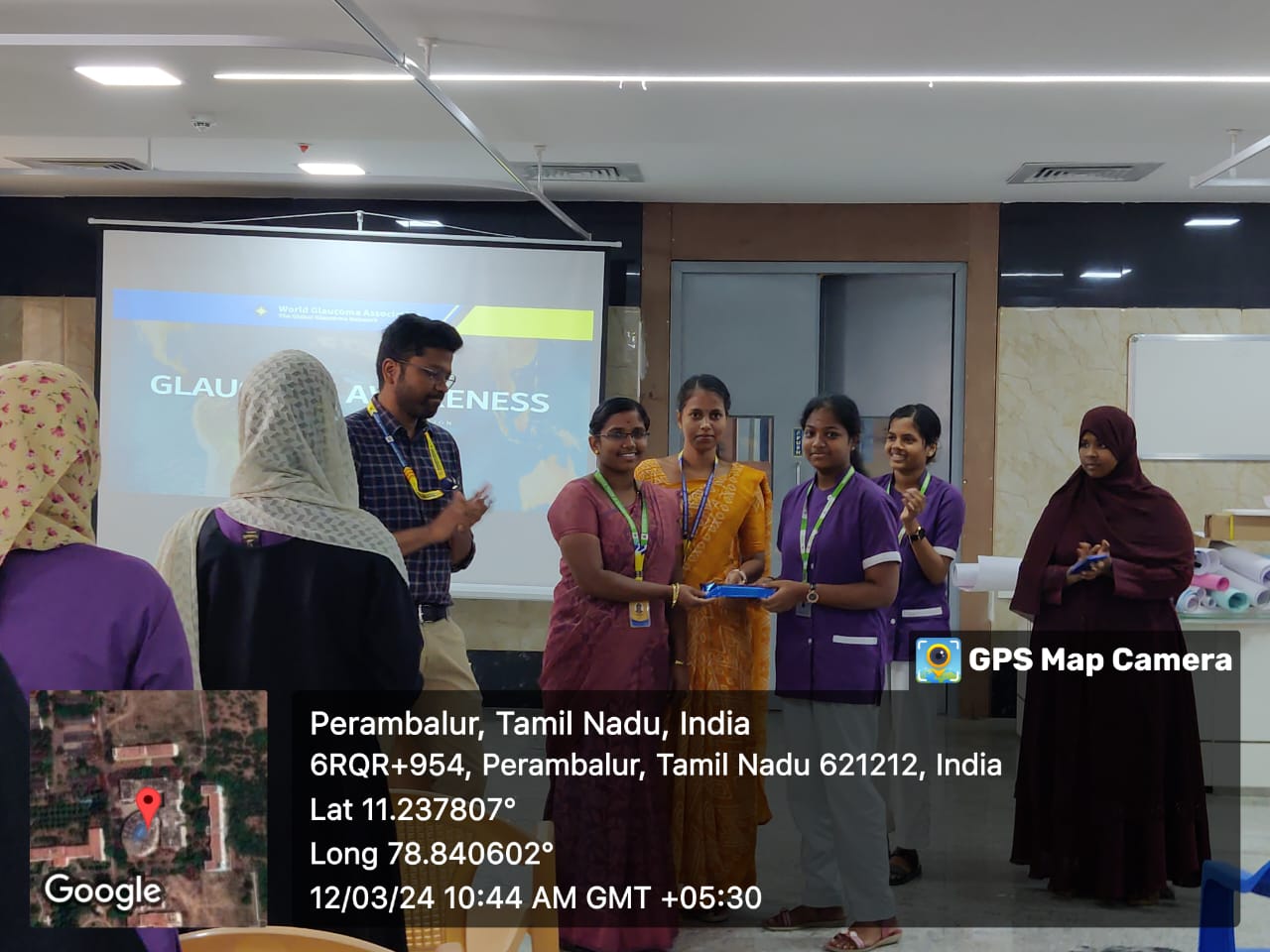
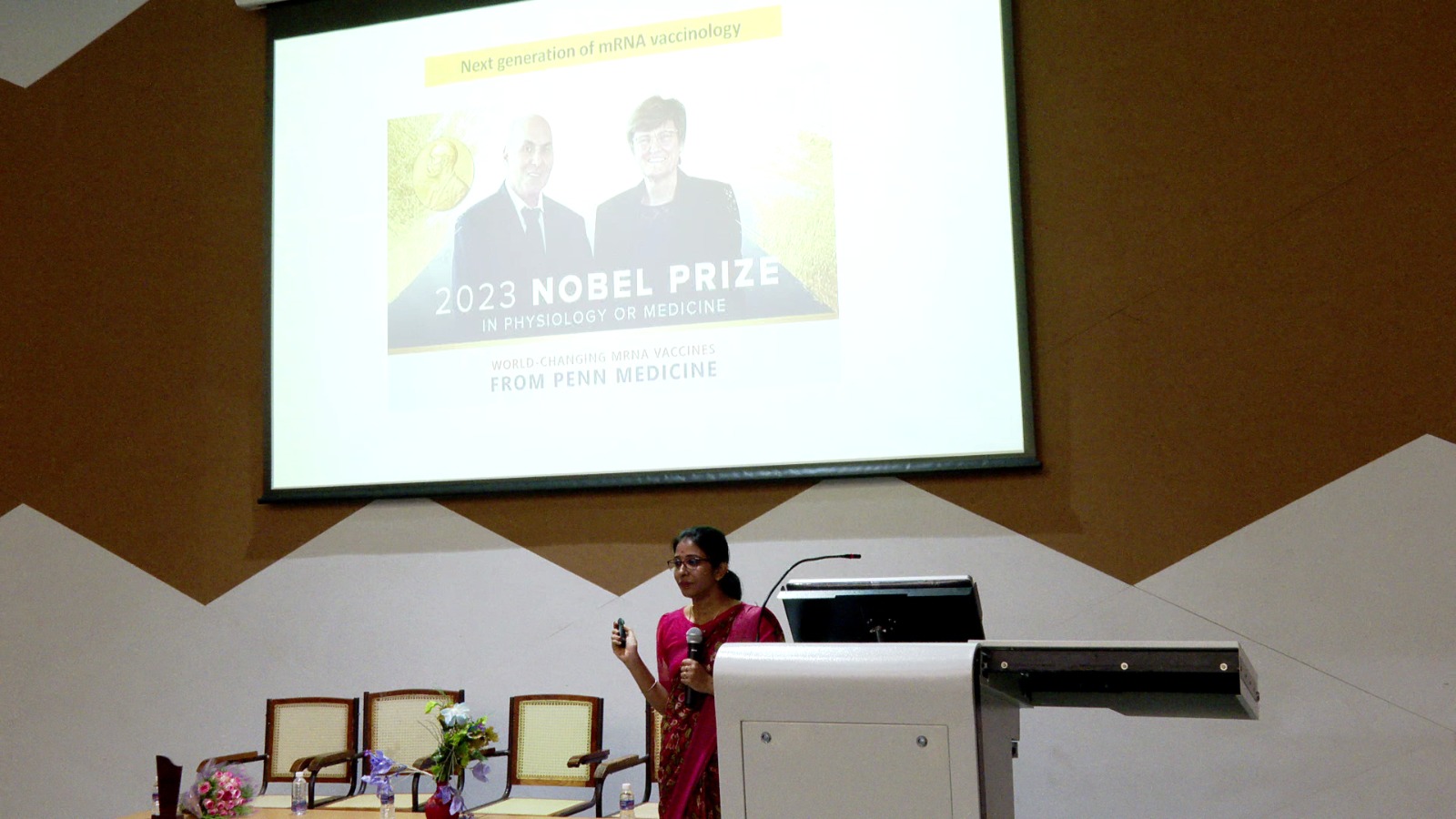
Learning in community medicine is spread across classroom sessions and field-based work.
Students are introduced to:
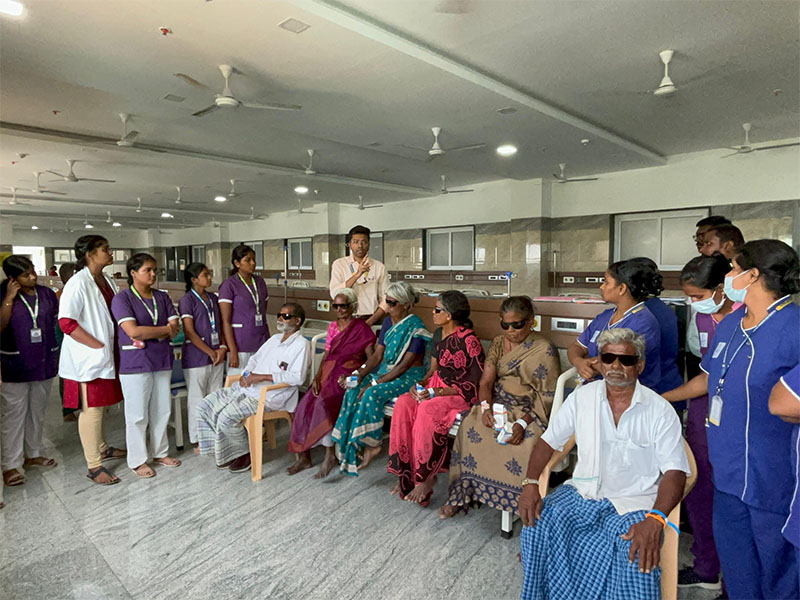
A significant part of learning involves observing real situations and discussing them rather than relying only on theory. This approach shapes how we conduct Paraclinical Community Medicine courses in perambalur, with emphasis on context, application and understanding.
What we offer
The department supports community-based learning through multiple training settings.
This includes:
Students participate in these activities as part of structured postings, not as one-time visits.
Faculty members from Community Medicine work alongside specialists from:
These departments contribute to community-based learning and help link clinical subjects with population health.
The department also coordinates activities related to various National Health Programmes, allowing students to understand how public health initiatives are planned and carried out.
Ethical handling
Work carried out in community settings follows accepted academic and ethical practices. Students are guided on appropriate conduct during field visits, family interactions, and data collection.
Respect for individuals, families, and communities is emphasised during all community-based activities. Learning is carried out under supervision and within defined academic boundaries.
Academic and field-based activities in the department are overseen by subject faculty involved in regular departmental work. Students are guided during postings, visits, discussions, and presentations.
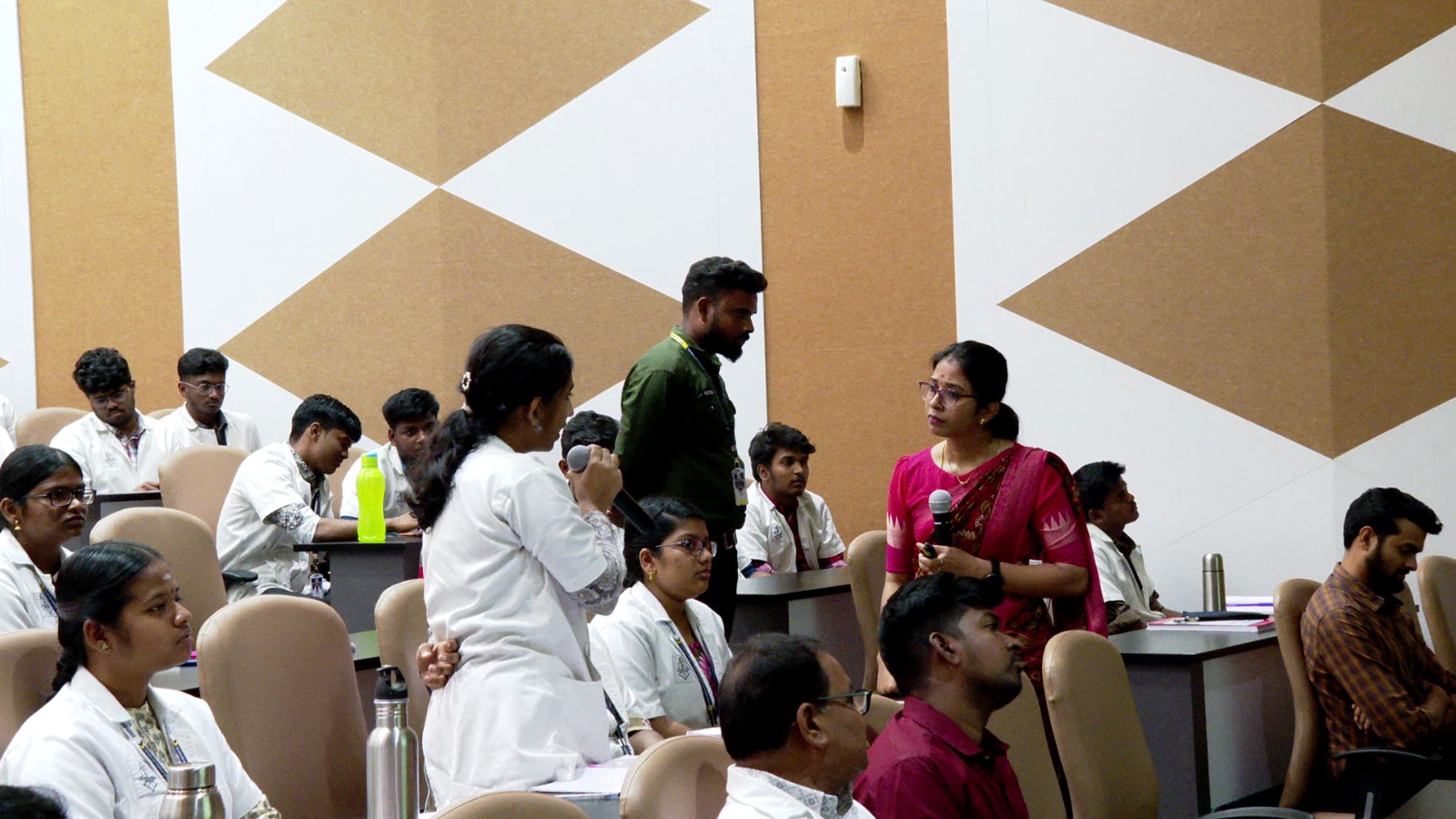
Support is provided when situations in the field feel unfamiliar or difficult to interpret. Guidance usually happens during routine interaction rather than through separate or formal arrangements.
Community medicine does not fit into fixed patterns. Learning here takes time and often feels different from other subjects.
Students are encouraged to observe, listen, and reflect on what they see in communities. More attention is given to understanding context and long-term impact than to quick conclusions. Topics are revisited as students move through different postings, and learning is allowed to develop gradually.
The Department of Community Medicine at Dhanalakshmi Srinivasan Institute of Medical Sciences and Hospital helps students understand health as it exists in real communities. This perspective continues to shape how students approach patients, prevention and care throughout their medical training, and reflects the way we conduct learning as a college for Paraclinical Community Medicine courses in Perambalur.
Elementum ex similique sollicitudin eveniet sem eveniet proin, iste euismod! Quia! Fugiat molestie leo placerat, tenetur.