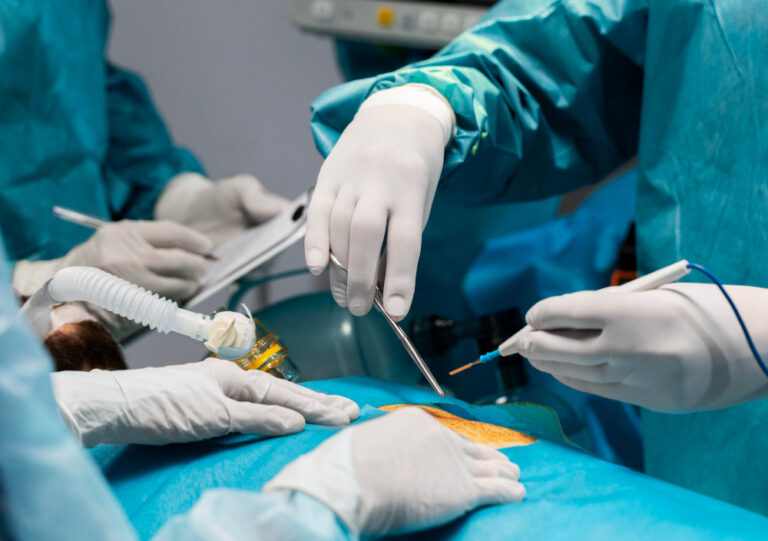
The Department of General Surgery manages conditions that require operative care along with careful assessment before and after surgery. Patients come to us with a wide range of problems, some planned and others urgent. As the best college for general surgery courses in Perambalur, we give students exposure to outpatient evaluations, ward-based care, and surgical procedures. Many patients are followed over time, from initial consultation through surgery and recovery, helping students understand the full continuum of surgical care.
How General Surgery Supports Clinical Learning
General surgery gives students direct exposure to clinical decision-making around procedures. Not every patient who presents requires surgery, and an important part of the learning is understanding when to operate and when not to. Through our clinical general surgery courses in Perambalur, students begin to see how symptoms, examination findings, imaging, and investigations come together before a decision is made. They also learn that post-operative care and follow-up are just as important as the operation itself.
Clinical exposure and training
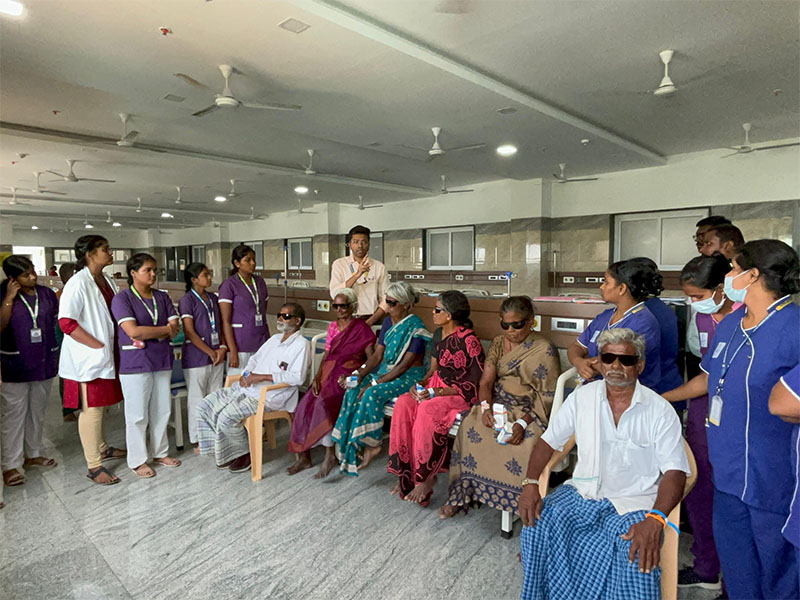
Clinical exposure in general surgery is spread across clinics, wards, and operation theatres.
Students spend time in:
They observe how patients are assessed, how consent is discussed, and how surgical plans are made. Over time, students follow patients through admission, surgery, and recovery, which helps them understand the full course of surgical care. All exposure takes place under supervision.
What we offer
General surgery services at the hospital cover a range of surgical conditions and procedures.
This includes:
The department works closely with anaesthesiology, radiology, and other clinical departments as part of routine surgical care.
Ethical and professional practice
Surgical care involves invasive procedures and close patient interaction. Because of this, attention is given to explanation, consent, and patient comfort at every stage.
Students are guided on appropriate conduct in clinics, wards, and operation theatres. Privacy, confidentiality, and professionalism are treated as part of everyday surgical work. Student involvement is supervised and kept within clear limits.
Clinical work in the department is handled by faculty involved in routine surgical care. Students are guided during clinics, ward rounds, theatre sessions, and discussions.
Questions usually come up while cases are being managed and are addressed at that time. Much of the learning happens by watching procedures, listening to discussions, and following patients over time.
General surgery requires patience and judgement. Not everything is decided quickly, and plans often change based on findings and patient response.
Students are encouraged to observe closely, understand the steps involved, and follow cases from start to finish. Learning is not rushed. Responsibility is added gradually as students become familiar with surgical work and the hospital setting.
The Department of General Surgery at Dhanalakshmi Srinivasan Institute of Medical Sciences and Hospital manages both routine and emergency surgical care. Through our college for clinical general surgery courses in Perambalur, time spent in the department helps students understand how surgical decisions are made and how careful planning, effective teamwork, and consistent follow-up influence patient outcomes.
Elementum ex similique sollicitudin eveniet sem eveniet proin, iste euismod! Quia! Fugiat molestie leo placerat, tenetur.