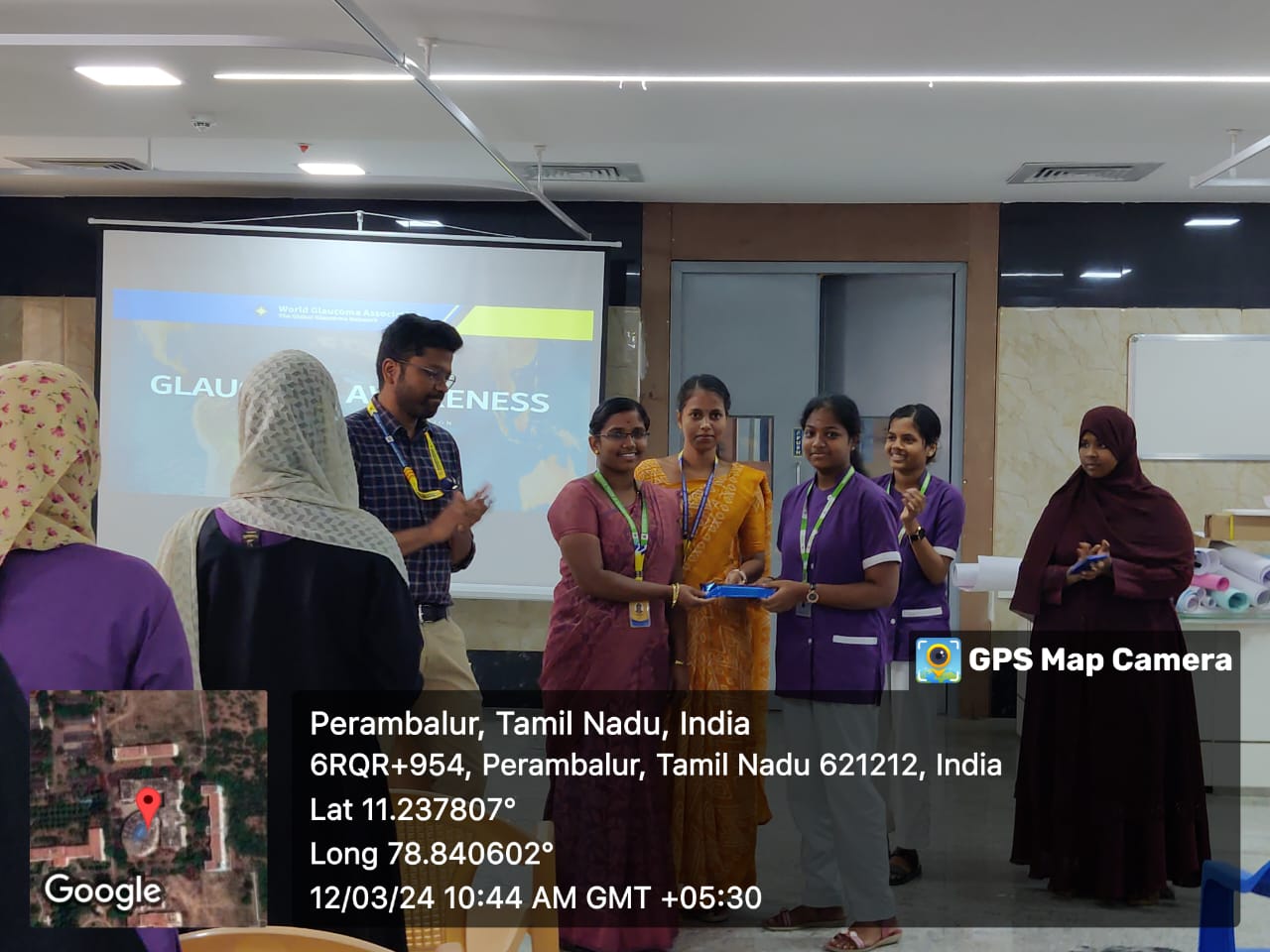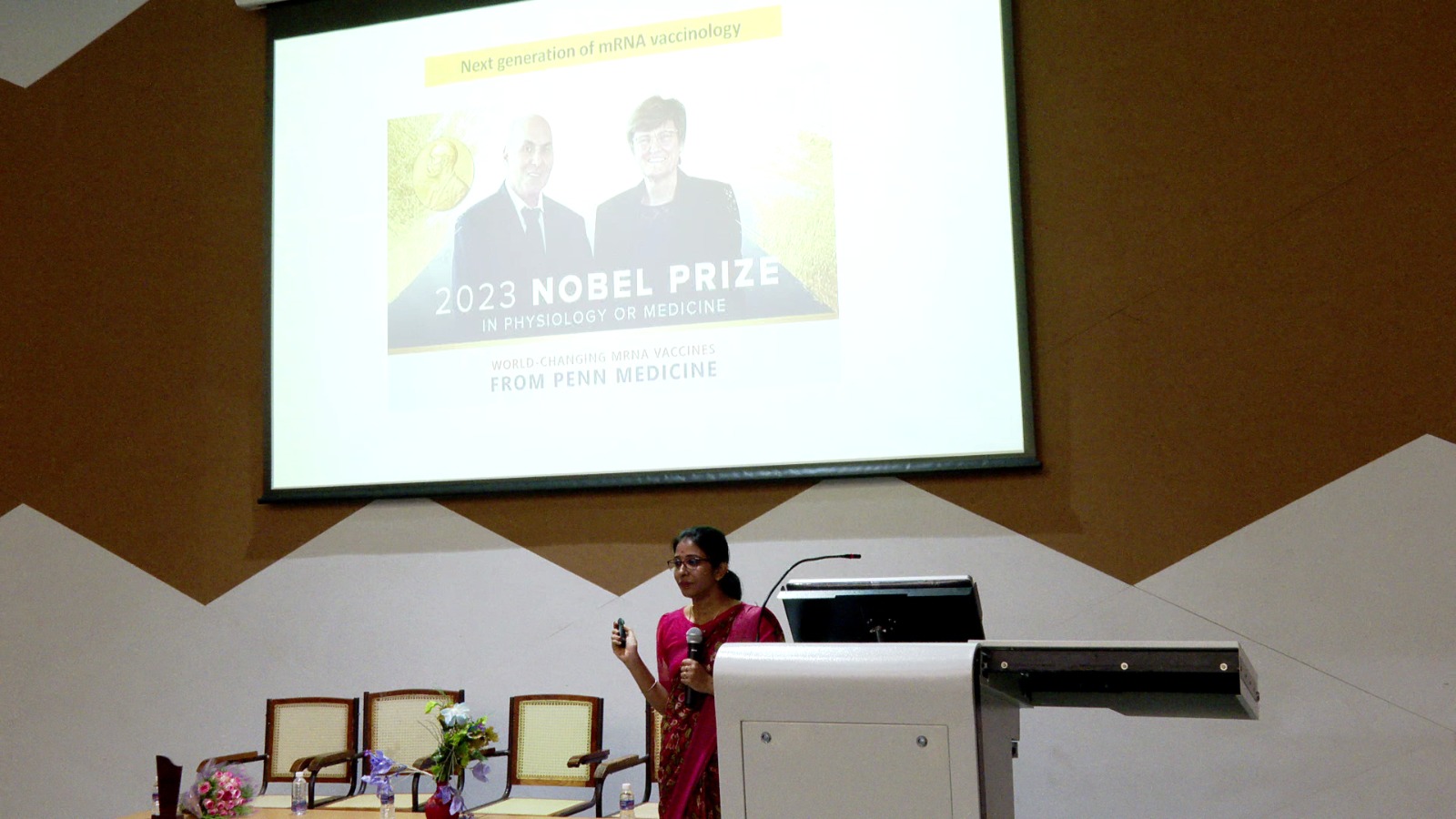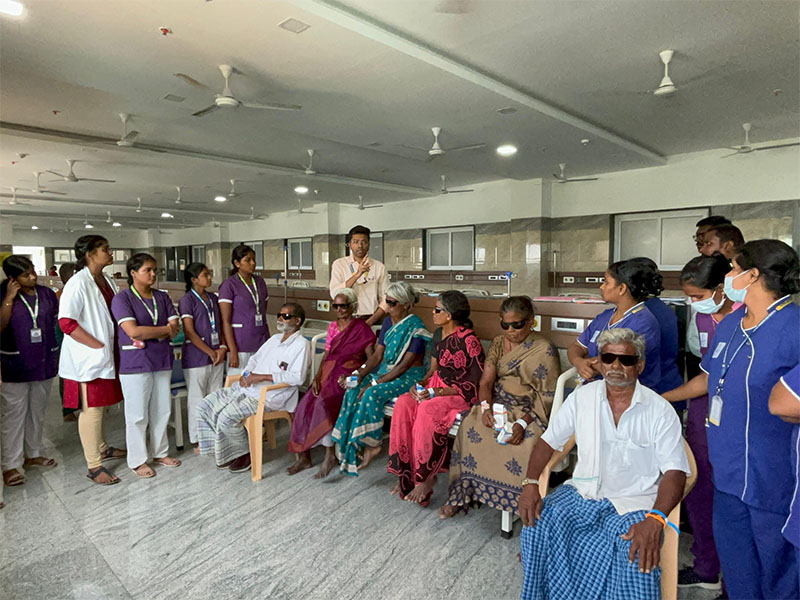
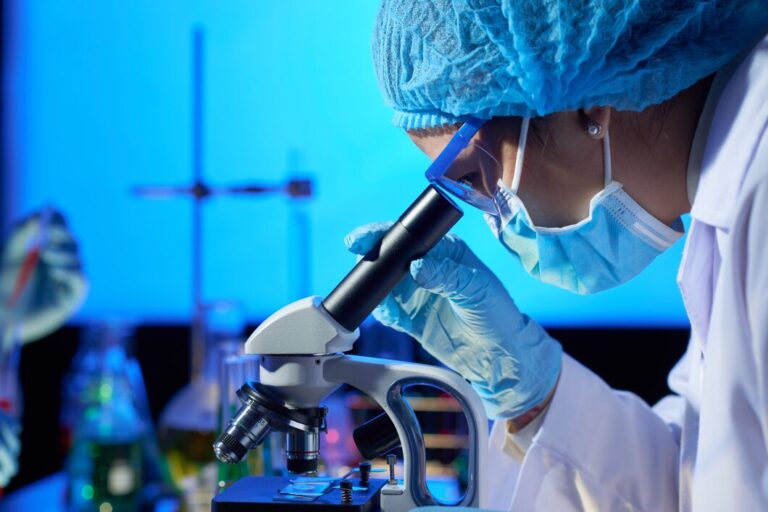
The Department of Microbiology works with infectious diseases and the organisms that cause them. The department deals with infections of bacterial, viral, fungal, parasitic and tubercular origin.
The department is located on the second floor of the academic building. It functions alongside academic work and hospital diagnostic services. Students are introduced to how infections are identified and how laboratory findings are used in medical practice, reflecting how we function as a college for Paraclinical Microbiology courses in Perambalur.
How microbiology supports clinical learning
Microbiology helps students understand how infections spread, establish in the body, and lead to disease. It also helps explain why certain investigations are done and how results guide treatment.
Ideas learnt here appear again during clinical postings, especially when students encounter infectious diseases, culture reports, sensitivity patterns, and infection control practices.
Learning in the department
Learning in microbiology is centred on understanding microorganisms and their behaviour.
Students are introduced to:
The focus stays on how infections are approached and understood, rather than on memorising organisms in isolation.
What we offer
The department supports both academic activity and routine diagnostic services related to infectious diseases.
Work in the department covers:
The department contributes to the diagnosis of infections seen in the hospital. Samples received are processed, examined, and reported as part of regular laboratory workflow.
For students, these activities provide exposure to:
This allows students to see microbiology as it is used in practice, not as a standalone subject.
Ethical handling
Work in the Department of Microbiology follows accepted academic and ethical practices. Students are guided on appropriate conduct while handling samples, cultures, and laboratory material.
Laboratory access is supervised. Work is limited to academic and diagnostic purposes and is treated as part of routine departmental activity.
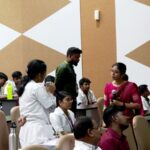
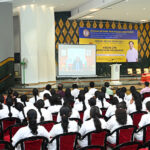
Academic and laboratory work in the department is overseen by subject faculty involved in regular departmental activity. Students are guided during practical sessions, demonstrations and discussions.
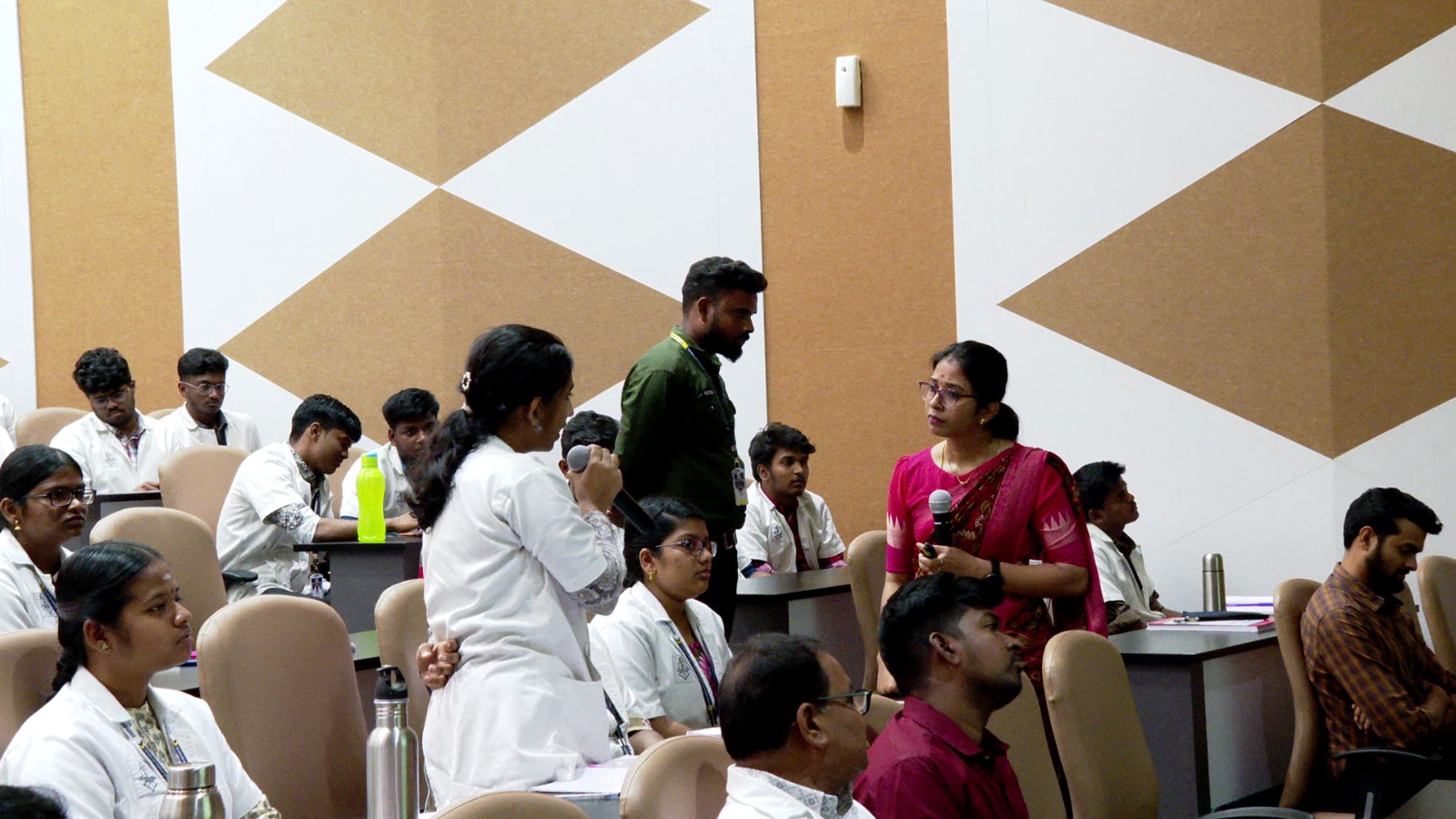
Clarifications are addressed as part of routine work, especially when procedures or results are unclear. Guidance is provided during regular sessions rather than through separate or formal arrangements. This approach shapes how we support learning in our Paraclinical Microbiology courses in Perambalur.
Microbiology does not settle quickly. Students are exposed to the subject gradually, with time given to understand how infections behave and how results are interpreted.
More attention is given to understanding transmission, infection processes, and diagnosis than to learning lists of organisms. Topics are revisited when required, and the pace is kept steady.
The Department of Microbiology at Dhanalakshmi Srinivasan Institute of Medical Sciences and Hospital functions as part of the academic and hospital diagnostic environment. Early exposure to infectious disease work helps students carry this understanding forward into clinical training, reflecting how we approach learning as the Best college for Paraclinical Microbiology courses in Perambalur.
Elementum ex similique sollicitudin eveniet sem eveniet proin, iste euismod! Quia! Fugiat molestie leo placerat, tenetur.