The Department of Ophthalmology manages conditions related to the eyes and vision. Patients come to us with concerns ranging from reduced vision and eye pain to long-standing eye conditions that require regular follow-up. As the best college for ophthalmology courses in Perambalur, we provide students with exposure to both adult and paediatric eye care, including routine consultations as well as cases that involve procedures or surgery. Much of the clinical work here relies on careful examination and repeated assessment over time.
How ophthalmology supports clinical learning
Ophthalmology helps students understand how small changes can have a large impact. Vision problems are often noticed early by patients, but the underlying cause is not always obvious.
Students begin to see how examination findings, tests, and imaging are used together to arrive at a diagnosis. The subject also shows how precision and patience matter in clinical work, especially when dealing with delicate structures like the eye.
Clinical exposure and training
Clinical exposure in ophthalmology is mainly clinic and procedure based.
Students spend time in:
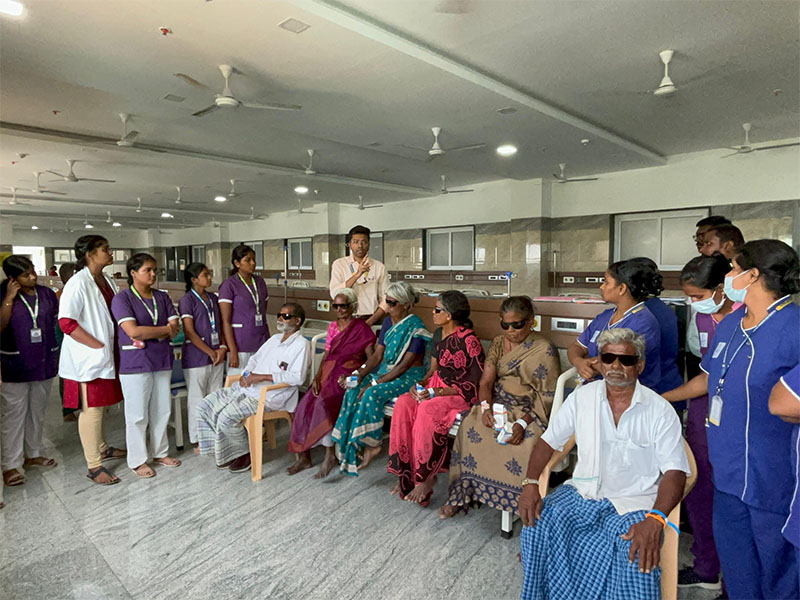
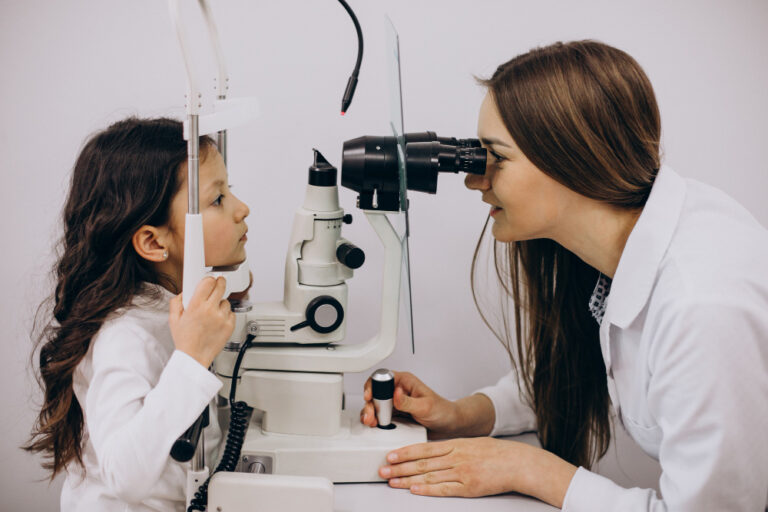
They observe how eye examinations are carried out, how findings are documented, and how treatment plans are explained to patients. Over time, students become familiar with common eye conditions and the flow of ophthalmic care. All exposure takes place under supervision.
What we offer
Ophthalmology services at the hospital cover examination, diagnosis, and treatment of eye conditions.
This includes:
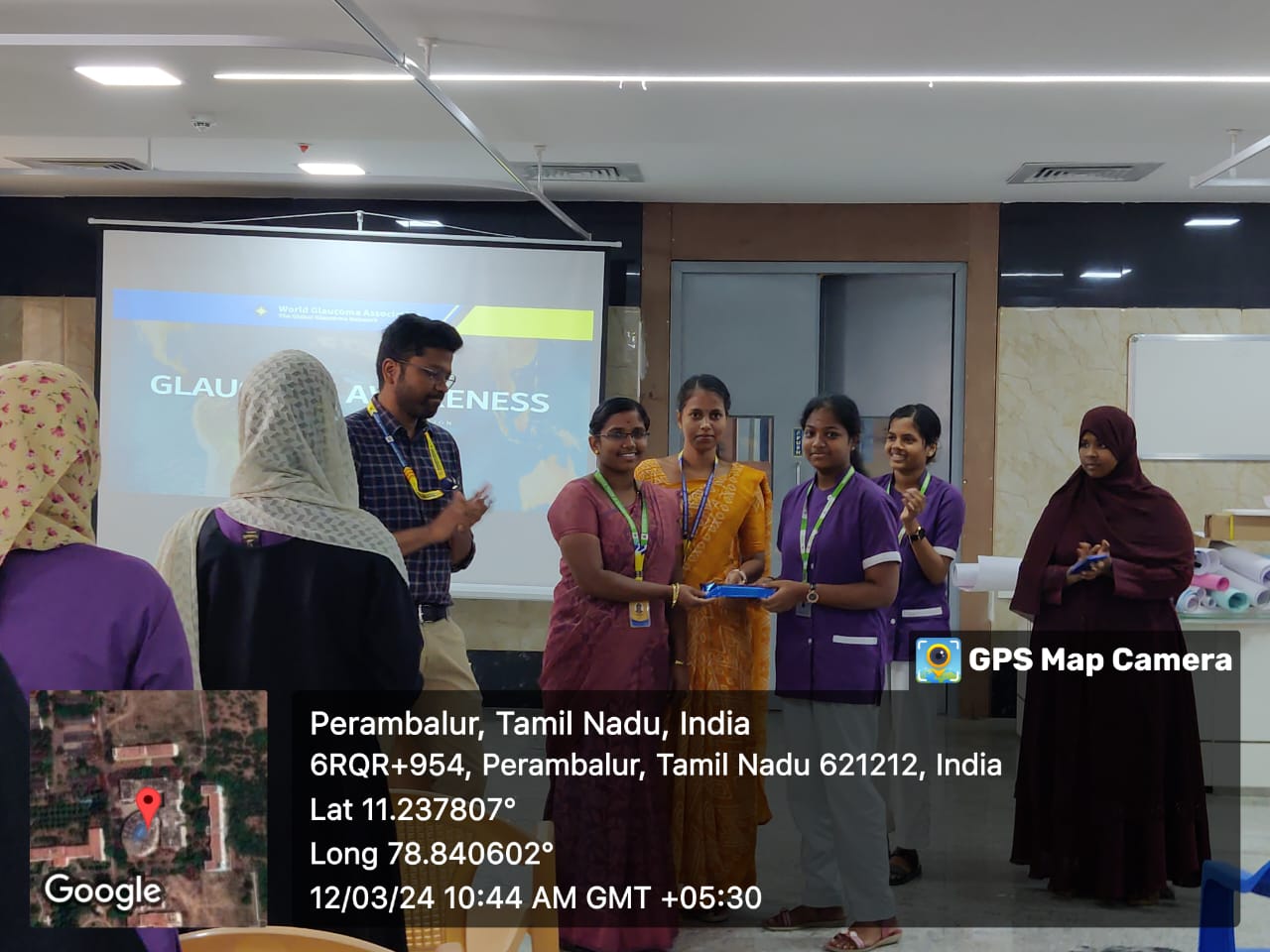
The department also conducts periodic eye camps in rural areas as part of outreach activities.
Ethical and professional practice
Eye care involves close examination and active patient cooperation. Because of this, we place strong emphasis on clear explanation, informed consent, and patient comfort during examinations and procedures. As part of our clinical ophthalmology courses in Perambalur, students are guided on appropriate professional behaviour while working with patients. Privacy and confidentiality are treated as routine aspects of clinical practice, and student involvement is always supervised and aligned with their level of training.
Clinical work in the department is handled by faculty actively involved in regular ophthalmic care. We guide students during clinics, procedures, and routine case discussions as part of our courses for ophthalmology in Perambalur. Questions usually arise while patients are being examined and are addressed at that time. Much of the learning happens through observing examinations, listening to explanations, and discussing clinical findings rather than through formal teaching sessions.
Ophthalmology requires attention to detail and steady hands. Findings can be subtle, and decisions are not always immediate.
Students are encouraged to observe closely, understand examination techniques, and follow patients over visits when possible. Learning is not rushed. Responsibility is added gradually as students become familiar with the work and environment.
The Department of Ophthalmology at Dhanalakshmi Srinivasan Institute of Medical Sciences and Hospital provides routine and surgical eye care for a wide range of conditions. Time spent here helps students understand how careful examination and consistent follow-up shape outcomes in eye care. Through our ophthalmology courses in Perambalur, students train within a multidisciplinary teaching environment where multiple specialties work closely together, supporting a well-rounded clinical learning experience.
Elementum ex similique sollicitudin eveniet sem eveniet proin, iste euismod! Quia! Fugiat molestie leo placerat, tenetur.