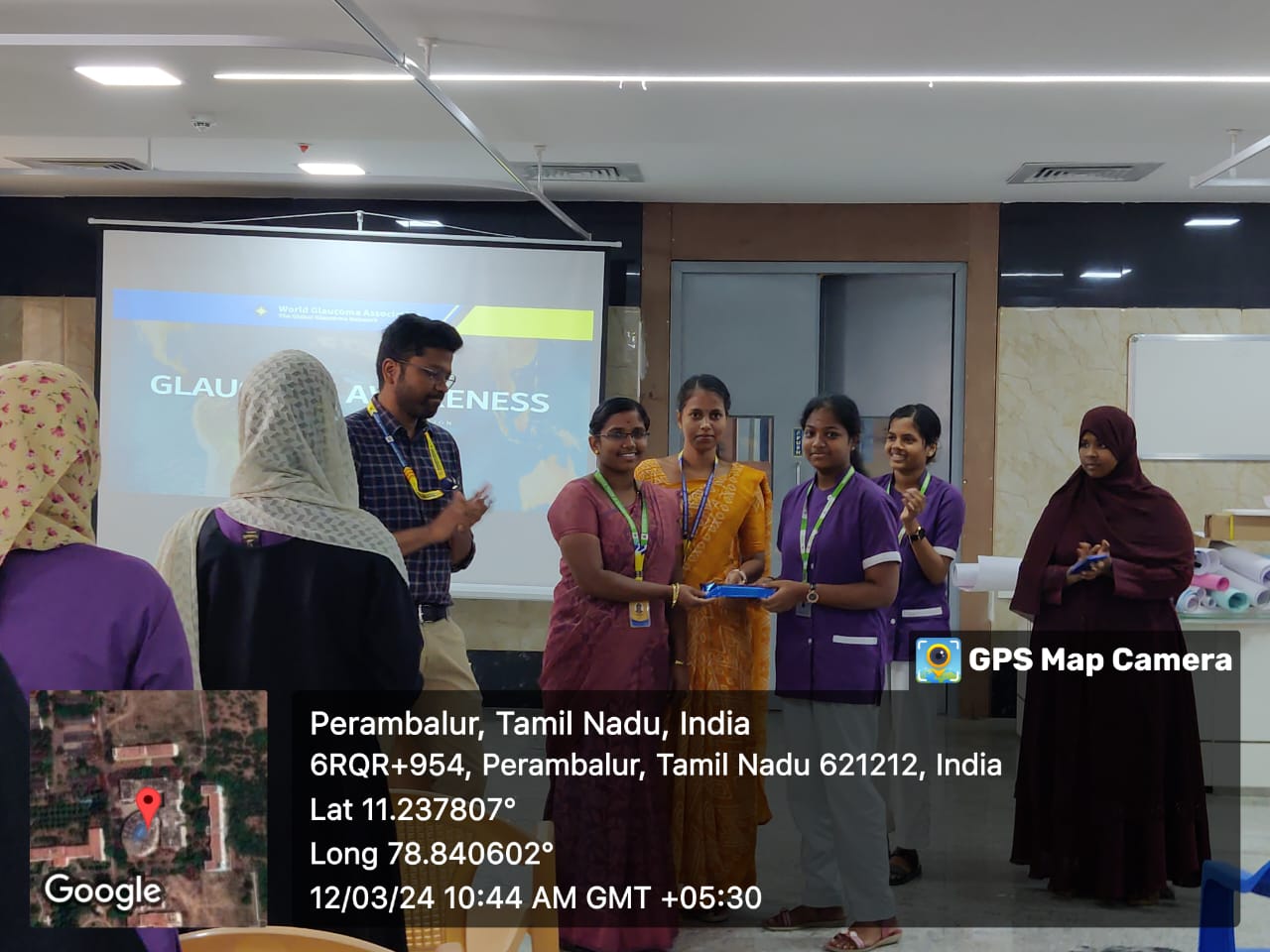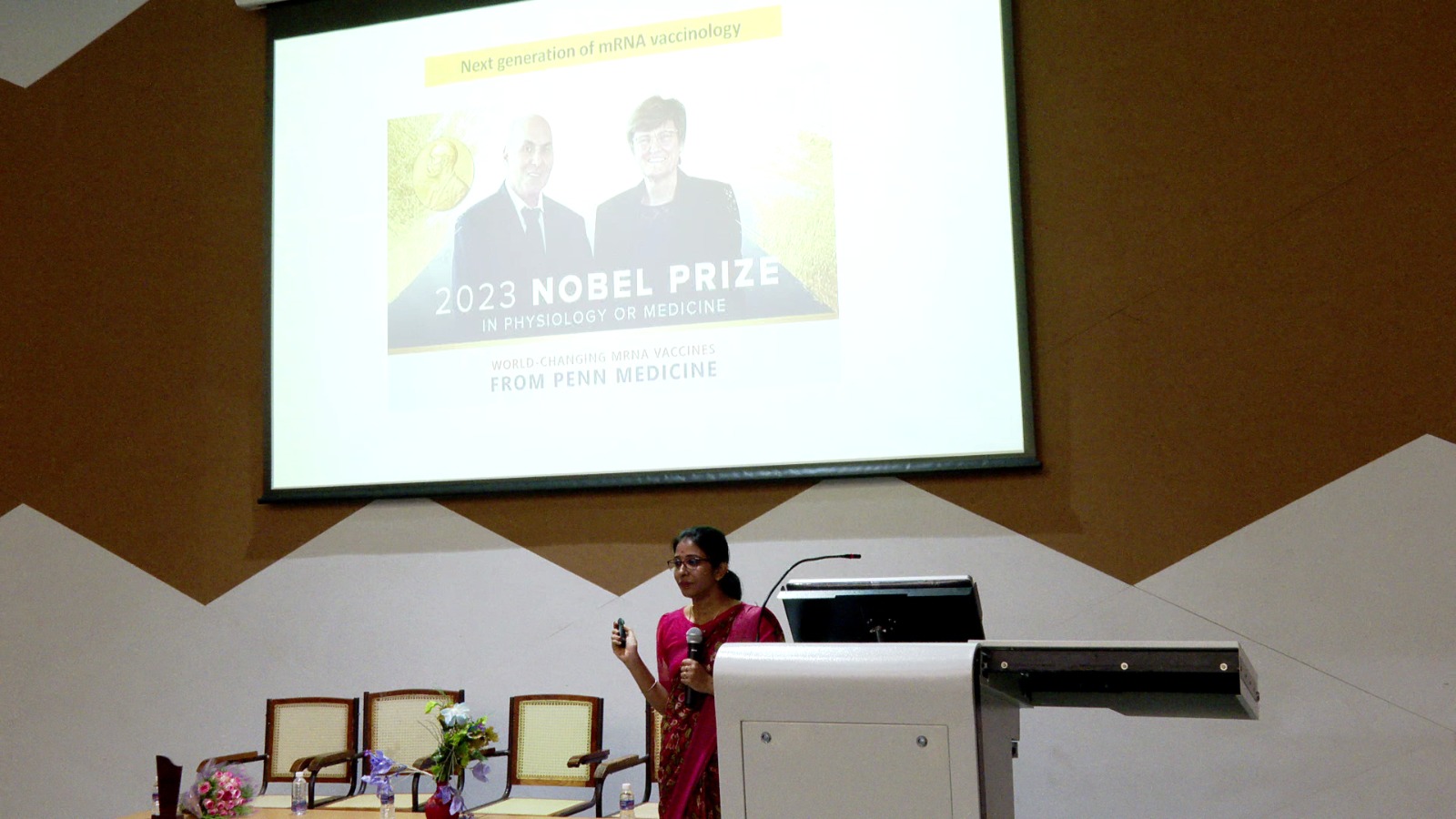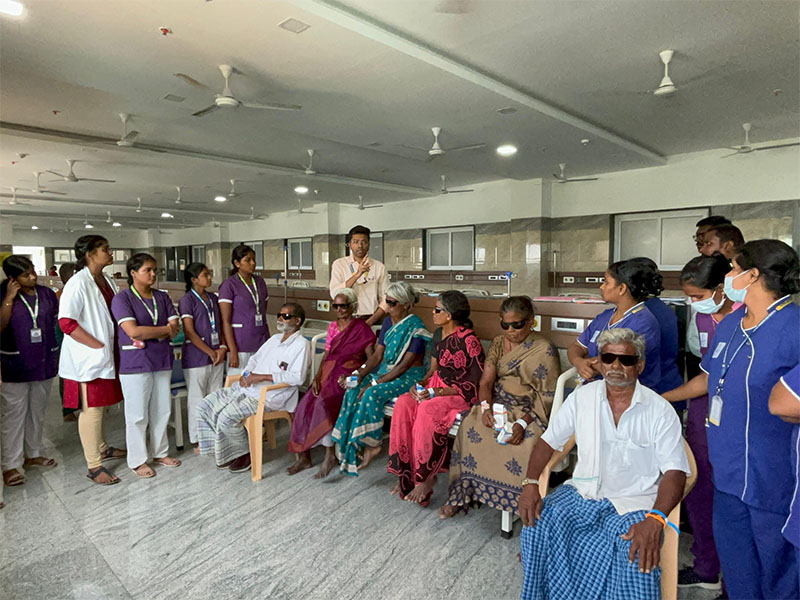
The Department of ENT deals with conditions related to the ear, nose, throat, and nearby areas of the head and neck. Patients come to us when everyday functions such as hearing, breathing, voice, swallowing, or balance are affected. As the best college for ENT courses in Perambalur, we expose students to both simple conditions that settle with treatment and more complex problems that may require procedures or surgery. Over time, students begin to see clearly how changes in structure directly influence function in clinical practice.
How ENT supports clinical learning
ENT exposes students to conditions that patients often notice early and talk about clearly. Complaints are usually specific, but the cause is not always obvious.
Students begin to connect symptoms with anatomy through examination, basic investigations, and procedures. Small findings often matter, and decisions are made step by step rather than all at once. Much of the learning comes from watching how assessments are done and how plans are adjusted over time.
Clinical exposure and training
Most clinical exposure in ENT happens through direct patient contact.
Students spend time in:
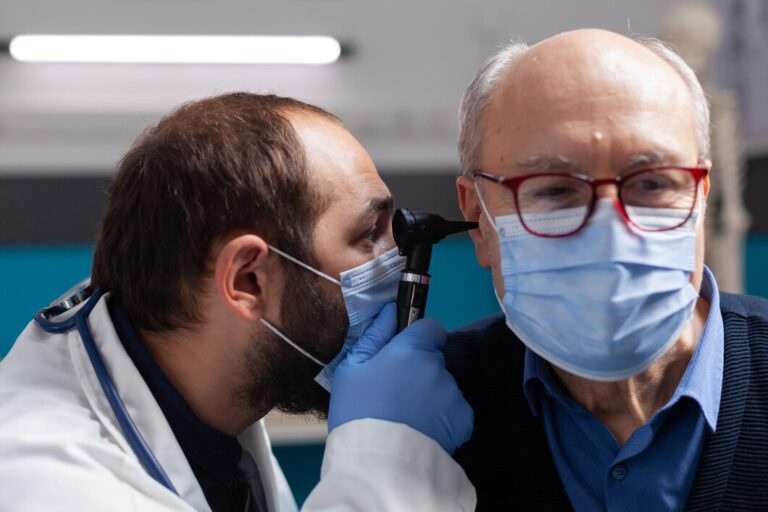
They watch how patients are examined using basic instruments and endoscopes, how findings are explained, and how treatment plans are decided. Over time, students start recognising common conditions and understand how medical and surgical options are chosen. All exposure happens under supervision.
What we offer
ENT services at our hospital address conditions involving the ear, nose, throat, and nearby areas of the head and neck. We see patients with a mix of common complaints and conditions that require closer evaluation. As a college for clinical ENT courses in Perambalur, our department provides exposure to:
Some cases are managed within the department, while others involve working with other clinical teams when more than one system is affected.
Ethical and professional practice
ENT work involves examining and treating areas that patients are often sensitive about. Because of this, care is taken with how patients are spoken to and examined, and consent is part of routine work.
Students are guided on how to behave during examinations and procedures. Privacy and confidentiality are handled as part of everyday clinical practice. Student involvement is supervised and kept within clear limits.
Clinical work in the department is handled by faculty involved in regular outpatient, inpatient, and surgical care. Students are guided during clinics, procedures, and discussions.
Questions usually come up while cases are being seen and are addressed at that time. Much of the learning happens by watching how examinations are done and how decisions are discussed with patients.
ENT work depends a lot on close examination and how well patients are able to cooperate. Some findings are obvious, others are easy to miss, and decisions are not always made in one visit.
Students are expected to watch carefully, listen to what patients say, and relate it back to anatomy. Things are not rushed. Responsibility is added bit by bit as students get used to the clinics and day-to-day work.
The Department of ENT at Dhanalakshmi Srinivasan Institute of Medical Sciences and Hospital manages day-to-day problems related to the ear, nose, throat, and head and neck region. Through our clinical ENT courses in Perambalur, students are exposed to a wide range of cases and begin to appreciate how careful examination and clear, simple communication can make a meaningful difference in clinical outcomes.
Elementum ex similique sollicitudin eveniet sem eveniet proin, iste euismod! Quia! Fugiat molestie leo placerat, tenetur.