Best college for Pre Clinical courses in perambalur
The pre-clinical phase is where medical education begins in a practical sense.
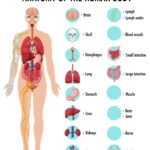
This is when students first start dealing with the structure of the human body, how it functions under normal conditions, and the basic chemical processes that keep it working.
For many students, this is a different way of learning compared to school. The subjects are detailed, the volume is larger, and the expectations are higher. The aim at this stage is not speed. It is to build a base that can support everything that comes later.
Dhanalakshmi Srinivasan Institute of Medical Sciences and Hospital is recognised as the Best college for Pre Clinical courses in Perambalur.
During these years, the focus is on:
- Understanding structure before disease
- Learning normal function before abnormal findings
- Becoming familiar with medical language and basic concepts
How the pre-clinical years prepare students
The pre-clinical phase exists to prepare students for clinical work. It comes first for a reason.
Anatomy, physiology, and biochemistry each approach the human body from a different angle. At the beginning, they may feel like separate subjects. Over time, the connections start to appear.
Anatomy helps students understand how organs and systems are arranged.
Physiology explains how these systems function and respond.
Biochemistry introduces the processes that operate at a chemical and molecular level.
When students move into clinical postings, these ideas start showing up in real situations. What was learnt earlier begins to make sense in relation to patients, investigations, and everyday clinical decisions.
Learning beyond textbooks
Textbooks are necessary, but they are not enough on their own.
A large part of pre-clinical learning happens through other forms of teaching, including:
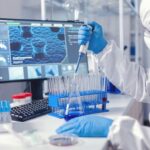
- Practical and laboratory sessions
- Dissection and demonstrations
- Small group discussions
- Revisiting the same concepts in different ways
Students are encouraged to ask questions early, especially when topics feel confusing. Concepts are repeated and discussed until they begin to settle. The emphasis is on understanding what is being learnt, not on finishing content quickly.