Clinical

Clinical

At the Department of General Medicine, we focus on adult patient care across a wide range of medical conditions. This is often where our students first encounter patients with multiple complaints, long-standing illnesses, and conditions that do not fit neatly into one category.Learning happens in real clinical settings, which is a core reason we are regarded as the best college for clinical courses in Perambalur. Here, we help students understand that diagnosis and treatment are rarely straightforward and often require careful observation over time, discussion, and follow-up.

How general medicine supports clinical learning

General medicine plays a central role in clinical training. It brings together knowledge from pre-clinical and para-clinical subjects and places it in a patient context.Students learn how symptoms are assessed, how investigations are interpreted, and how treatment plans are formed. Many conditions seen here overlap with other specialties, which helps students understand referral, coordination of care, and continuity.This department often becomes the base from which students start thinking clinically.

Clinical exposure and training

Clinical learning in general medicine is centred around patient interaction.

Students spend time in:

  • Outpatient departments
  • Inpatient wards
  • Ward rounds and case discussions

They observe how histories are taken, how examinations are performed, and how decisions are made. Over time, students begin to participate under supervision, learning how to present cases, follow progress, and understand management plans.

General Medicine

General Medicine

Adult patients care for a wide range of medical problems, including infections, long-term conditions, and symptoms that need evaluation.


Anaesthesiology

Anaesthesiology

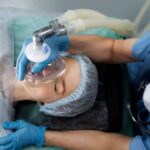
Anaesthesia support for surgeries and procedures, along with advanced pain management and peri-operative care.


General Medicine

ENT (Otorhinolaryngology)

Care for conditions related to the ear, nose, throat, and head and neck region, including diagnosis and treatment.


Paediatrics

Paediatrics

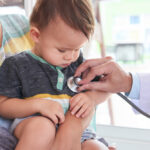
Medical care for infants, children, and adolescents, covering both common illnesses and ongoing conditions.


Psychiatry

Psychiatry

Care related to mental health concerns, including assessment, follow-up, and management.


General Medicine

Dermatology, Venereology and Leprosy

Services related to skin, hair, nail conditions, sexually transmitted infections, and leprosy.


General Surgery

General Surgery

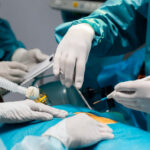
Surgical care for conditions involving the abdomen, soft tissues, and other general surgical areas.


Orthopedics

Orthopaedics

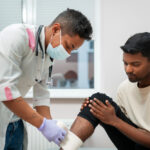
Care for bone, joint, and musculoskeletal problems, including injuries and degenerative conditions.


Radio-Diagnosis

Radio-Diagnosis

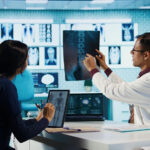
Imaging services used to support diagnosis and follow-up during patient care.


Ophthalmology

Ophthalmology

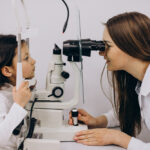
Eye care services related to vision problems and eye diseases.


Obstetrics & Gynaecology

Obstetrics & Gynaecology

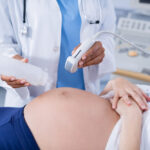
Care related to pregnancy, childbirth, and women’s reproductive health.


Radio-Diagnosis

Dentistry

Dental care for routine and treatment-related oral health needs.

Ethical and professional practice

Clinical work in the Department of General Medicine follows accepted ethical and professional practices. Students are guided on appropriate behaviour while interacting with patients and families.Attention is given to patient dignity, confidentiality, and consent during day-to-day clinical activity. Student involvement takes place under supervision and within defined limits as part of routine clinical work.

Faculty and student guidance

Clinical work in the department is overseen by faculty involved in regular patient care. Guidance is provided during ward rounds, case discussions, and routine clinical interaction.Questions are addressed as they arise during daily work. Most guidance happens informally, through observation and discussion, rather than through structured sessions alone.

Our approach

General medicine rarely follows set patterns. Patients come to us with different problems, and care plans often evolve as more information becomes available. At what is regarded as the best college for clinical courses in Perambalur, we expect our students to observe closely, listen carefully, and ask questions when things are unclear. Decisions are discussed, not rushed. Over time, students take on greater responsibility as they grow more confident, with the pace kept steady so they can adapt to clinical practice without being pushed too quickly.As the best medical college for clinical courses, the Department of General Medicine at Dhanalakshmi Srinivasan Institute of Medical Sciences and Hospital forms a core part of our clinical training. We help students develop sound clinical judgement, patient-centred thinking, and the ability to manage medical complexity, skills that remain essential throughout their medical practice.