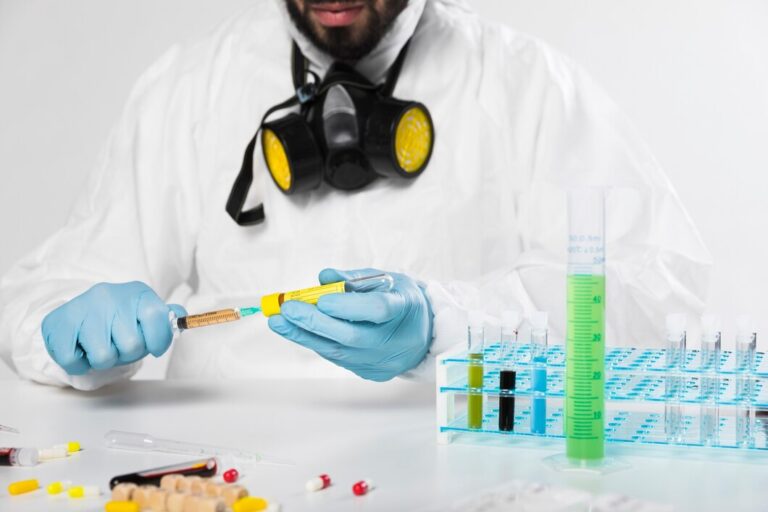
The Department of Forensic Medicine deals with the use of medical knowledge in situations where law and medicine meet. This is often unfamiliar territory for students at first. Here, medical findings are not only clinical, they carry legal meaning.
Students are introduced to medico legal thinking early on. They begin to understand that observations, documentation and decisions made by doctors can have legal consequences beyond patient care.
The department also covers toxicology. This includes the study of poisons, how they act on the body, how they are identified and how such cases are approached from both medical and legal perspectives. This integrated exposure reflects how we approach training as the Best college for Paraclinical Forensic Medicine courses in Perambalur.
How forensic medicine supports clinical learning
Forensic medicine changes how students look at medical practice. It introduces responsibility in a different form.
Students begin to see that injuries, deaths and poisoning cases are not only medical events. They involve reporting, documentation and interaction with legal systems. This understanding becomes relevant later when students encounter medico legal cases during clinical postings.
The subject helps students recognise situations where careful examination, accurate recording and awareness of legal procedures are essential, shaping how we train students as a college for Paraclinical Forensic Medicine courses in Perambalur.
Learning in the department
Learning in forensic medicine is deliberate and detail-oriented.
Students are introduced to:
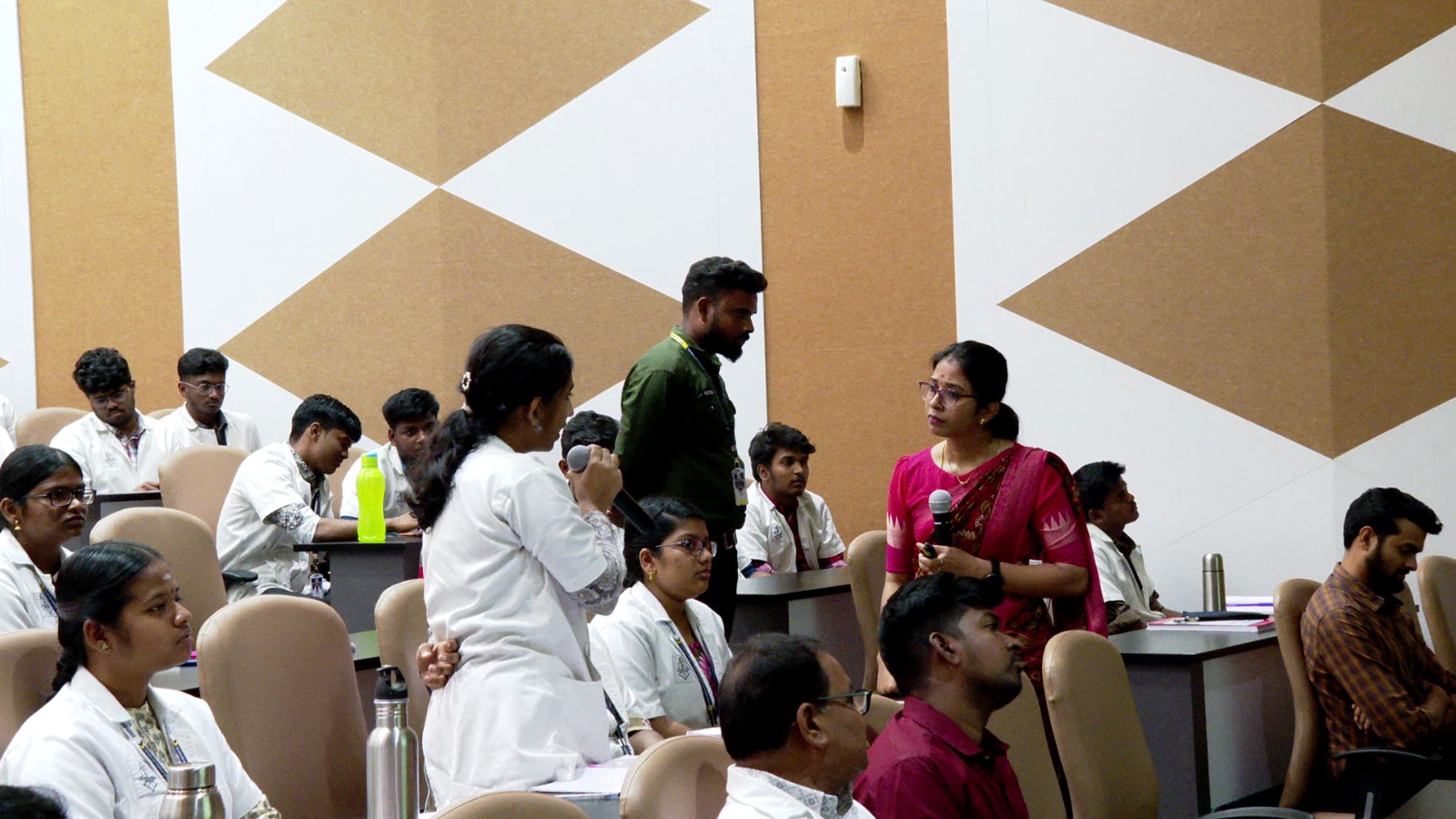
Much of the learning involves discussion and interpretation. Answers are not always straightforward, and students are encouraged to think carefully about context and consequence.
What we offer
The department supports academic learning in forensic medicine and toxicology through structured resources.
This includes:
The museum contains specimens and charts used to support understanding. These are used as reference material to help students visualise injuries, toxic substances, and related medico-legal concepts during discussions.
Ethical handling
Work in the Department of Forensic Medicine follows accepted academic and ethical practices. Students are guided on appropriate conduct while handling teaching material and specimens.
Care is taken to reinforce respect, responsibility, and professionalism when dealing with medico-legal content. This is treated as part of routine learning, not as a separate instruction.
Academic work in the department is overseen by subject faculty involved in regular departmental activity. Students are guided during discussions, demonstrations, and case-based explanations.
Questions are encouraged, especially when medico-legal concepts feel unfamiliar or difficult to interpret. Guidance is usually provided during routine sessions rather than through formal or separate arrangements.
Forensic medicine takes time to settle. Students are not expected to grasp everything at once.
Learning is paced to allow students to absorb medico-legal principles gradually. More attention is given to careful observation, interpretation, and understanding consequences than to memorising legal terms. Topics are revisited when needed, and discussions are used to clarify grey areas.
The Department of Forensic Medicine & Toxicology at Dhanalakshmi Srinivasan Institute of Medical Sciences and Hospital helps students understand the legal dimensions of medical practice. This understanding remains relevant throughout clinical training and professional work, and guides how we conduct courses for Paraclinical Forensic Medicine in Perambalur.
Elementum ex similique sollicitudin eveniet sem eveniet proin, iste euismod! Quia! Fugiat molestie leo placerat, tenetur.